1. Safety talk
The team explains how to avoid sticks, what to do if someone is exposed and who should stay out of the area.
Pittsburgh, PA · Allegheny County
One needle usually means there could be more. In Pittsburgh, call (877) 812-4220 for a careful sweep of the property, safe collection of every sharp and cleaning of the surfaces they lay on.
If anyone is in danger, call 911 first. For a suicide crisis, call or text 988.
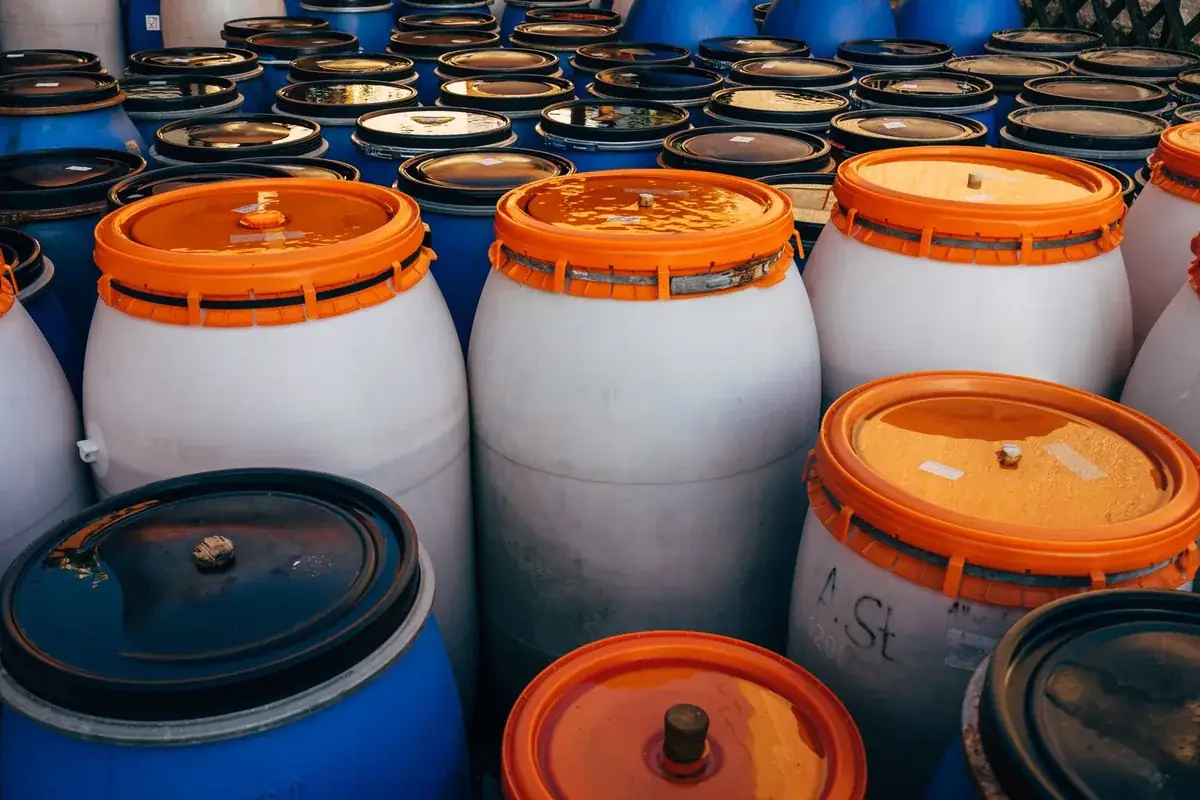
Needle and syringe pickup is a form of biohazard cleanup aimed at sharps. Protective equipment, special containers and proper disposal are part of every job.
Treat a found needle in Pittsburgh as a safety problem first, and call Pittsburgh Biohazard Cleanup Help for help anywhere in Allegheny County. The team keeps people clear, collects sharps into sealed containers and disinfects any surface that came into contact with them, so your property is safe again.
With a vacancy rate near 15% in Pittsburgh, many owners check empty properties for sharps before repairs, sales or new tenants. After a needle stick, wash with soap and water and get medical care. Upmc Mercy in Pittsburgh is the closest emergency room to Pittsburgh.
A typical needle & sharps cleanup job includes:
The team explains how to avoid sticks, what to do if someone is exposed and who should stay out of the area.
Cleanup technicians wear puncture-resistant gloves, eye protection and boots for the sweep.
Tools lift each sharp into a container. Lids are locked, and containers are labeled for transport.
After the last walk-through, the owner can reopen the area to tenants, customers or family.
The cost of needle & sharps cleanup in Pittsburgh, PA depends on the amount of material, how it is packed and how it is hauled.
The size of the area is a major factor. A small patch of yard takes less time to search than a multi-room unit, a vacant building or a large lot.
| Type of job | Typical range |
|---|
Published ranges only (); every needle & sharps cleanup job in Pittsburgh is priced after an on-site look. Price drivers include number of items, where they are found, whether a sweep of a large area is needed, waste disposal. Questions? Call (877) 812-4220.
Loose needles should not go in household trash, because they can stab sanitation workers. Rules for small amounts of household sharps vary by city and county. The local health department can say what is allowed, and a cleanup team can take larger amounts.
A small yard or single room can be quick, while a building or large lot takes longer. Clutter, hidden spots and the amount of sharps affect the time. A cleanup team can give a realistic idea once it hears the details.
No. Crews focus on safety and cleanup, not on why the needles are there. The team asks only what it needs to plan the work, and you decide what else to share.
Some cities and counties collect found needles from public land at no charge, and many do not. Availability varies. The local health department or public works office can say what exists where you live, and a cleanup team can help with private property.
The crew cleans and disinfects surfaces where sharps lay, bags soiled items for disposal and checks the area again. If odor or residue is present, the team can address it or suggest the next step.
Lease terms and local law decide. A landlord, an attorney or a tenant rights group can say who is responsible. In many cases the property owner books the sweep first so the unit can be used again, and the cost is sorted out afterward.
Crews work without judgment and focus on making the space safe again.
Call (877) 812-4220